Septic Tank Pumping Help for Atlanta Homeowners
A slow drain today can become a backed-up house within days. Chasecontext Septic connects you with independent local providers, so you can compare written quotes and choose the right fix for your budget.
No obligationWhy Choose Chasecontext Septic?
We help homeowners compare independent septic and sewer providers, so the fix fits the problem and the budget.
Describe What You See
Note slow drains, odors, gurgling or wet spots, plus when the tank was last pumped, if you know.
Request an Estimate
Send the request form so a local provider can respond with a written quote.
Compare Written Quotes
Check tank size, access work and fees, not just the bottom number.
Schedule and Plan Upkeep
After pumping, ask for a suggested next date and write it on your calendar.
Septic Trouble Grows Fast, So Plan Early
A gurgling drain is easy to ignore. A soggy patch in the yard is easy to blame on the rain. But a septic or sewer problem keeps moving even when you are not looking.
In the first hours, you may notice only slow drains or a faint smell. By the next day, toilets can back up and the lawn can turn soft. After a few days, wastewater can soak into soil, floors or a crawl space, and the repair bill grows with it.
Chasecontext Septic is a referral service for homeowners in Atlanta, GA and the Atlanta area. We do not do the work ourselves. We connect you with independent providers in our network who handle septic tank pumping, sewer line repair and septic system repair.
Why start with a request? Because price follows timing. A routine pump-out usually costs far less than a failed drainfield. Request an estimate, compare written quotes, and pick the provider that fits your problem and your budget.
Would you rather talk it through first? Request a callback to check provider availability.
How Referrals Work
What we do and what we do not
Chasecontext Septic is a matching service. You describe the problem, and we pass it to independent local providers in our network. The provider reviews your details, explains the likely work and gives you a written quote. The provider, not Chasecontext Septic, performs the job and sets the price.
Three simple steps
- Tell us what you see. Slow drains, odors, wet ground or a backup all help a provider understand the situation.
- Compare what comes back. Look at the scope of work, the parts, the disposal fees and the timing.
- Choose and schedule. There is no obligation, so you can take a day to think it over.
Why the clock matters for your wallet
Septic and sewer trouble tends to follow a pattern. In the first hours, waste backs up slowly and the fix may be a simple pump-out. Within a day or two, solids can push toward the drainfield, and that is where repairs get costly. After several days of standing wastewater, floors, drywall and soil may need cleanup too.
None of this means you should rush into the first offer. It means you should ask questions early, while your options are still wide and the price is still modest.
What affects the quote
Tank size, how long since the last pump-out, access to the lids, pipe depth, soil conditions and local disposal fees all play a part. Typical U.S. costs vary a lot by job, so a written quote is the only number worth trusting.
Serving Homes Across the Atlanta area
Homes in Atlanta and the surrounding communities do not all share the same plumbing story. Some are older houses with aging clay or cast iron lines. Others sit in newer subdivisions where a septic tank was installed more recently. Some have crawl spaces, some sit on slabs, and some rely on a private well as well as a septic system.
The weather matters too. Hot, humid summers keep roots and soil active. Heavy thunderstorms can saturate a drainfield in an afternoon. Now and then an ice storm or the remains of a tropical system leaves the ground soggy for days, and that is when a tired system tends to show its limits.
Providers in our network work across the Atlanta area, and many know how local soil and housing behave. That local knowledge helps them judge whether you need a simple pump-out, a line repair or a deeper look at the drainfield.
If you are not sure which one applies, start with a request. Describe what you notice and when it began. A clear timeline helps a provider give you a more accurate written quote.
You can also Request a callback to ask which providers are available near you.
Fix It Once, Then Keep It From Returning
Fixed it? Now protect the investment
A repair is not the finish line. Most septic and sewer failures grow out of habits and neglect, and the same habits can bring the trouble back. A little planning after the work costs far less than a second repair.
Set a pumping schedule
Many households pump every three to five years, but family size, tank size and water use change that. Ask the provider what interval suits your home, and write the date down. Routine septic tank pumping is usually one of the most affordable ways to guard against bigger bills.
Look after the drainfield
Keep cars, sheds and heavy equipment off it. Plant grass, not trees, nearby. If you ever need drainfield repair, ask the provider how to avoid a repeat.
Watch what goes down the drain
Wipes, grease, coffee grounds and harsh chemicals shorten a system's life. Spread out laundry loads so the tank is not flooded in one afternoon.
Prepare for storms and heat
After heavy rain, go easy on water use until the ground dries. In hot weather, watch for lush, bright green patches over the field, since they can signal a leak.
Older pipes and foundations
Homes with crawl spaces or slabs hide their lines. Ask whether a camera inspection makes sense after repairs, especially in older houses with aging pipe.
Keep a simple home record
Save quotes, receipts, pump-out dates and tank locations in one folder. The next provider will work faster and quote more accurately.
If your home also has a well
A private well and a septic system share the same yard. Ask whether a provider offers water well service or can suggest one, and keep the two well apart from any new work.
Know the warning signs
Slow drains, gurgling, odors and soggy ground deserve attention. For a sudden backup, ask about emergency septic cleaning and check provider availability.
Request Your Estimate
Ready to find out what your septic or sewer problem may cost to fix? Send a few details about what you see and when it started. Independent providers in our network can review them and give you a written quote.
There is no obligation, and you can compare more than one answer before you decide.
If you prefer to talk, Request a callback and ask about provider availability in your part of the Atlanta area.

Need help in Atlanta?
Tell us what is going on and request an estimate. Independent providers in our network can review the details, and there is no obligation to hire anyone.
No obligationOur Services
Three kinds of help are available through providers in our network. Each one fits a different stage of the problem, from routine upkeep to a failed line. Pick the one closest to what you are seeing.
 Septic Tank PumpingA full tank gets more expensive the longer it waits, so learn the timeline and compare written quotes.
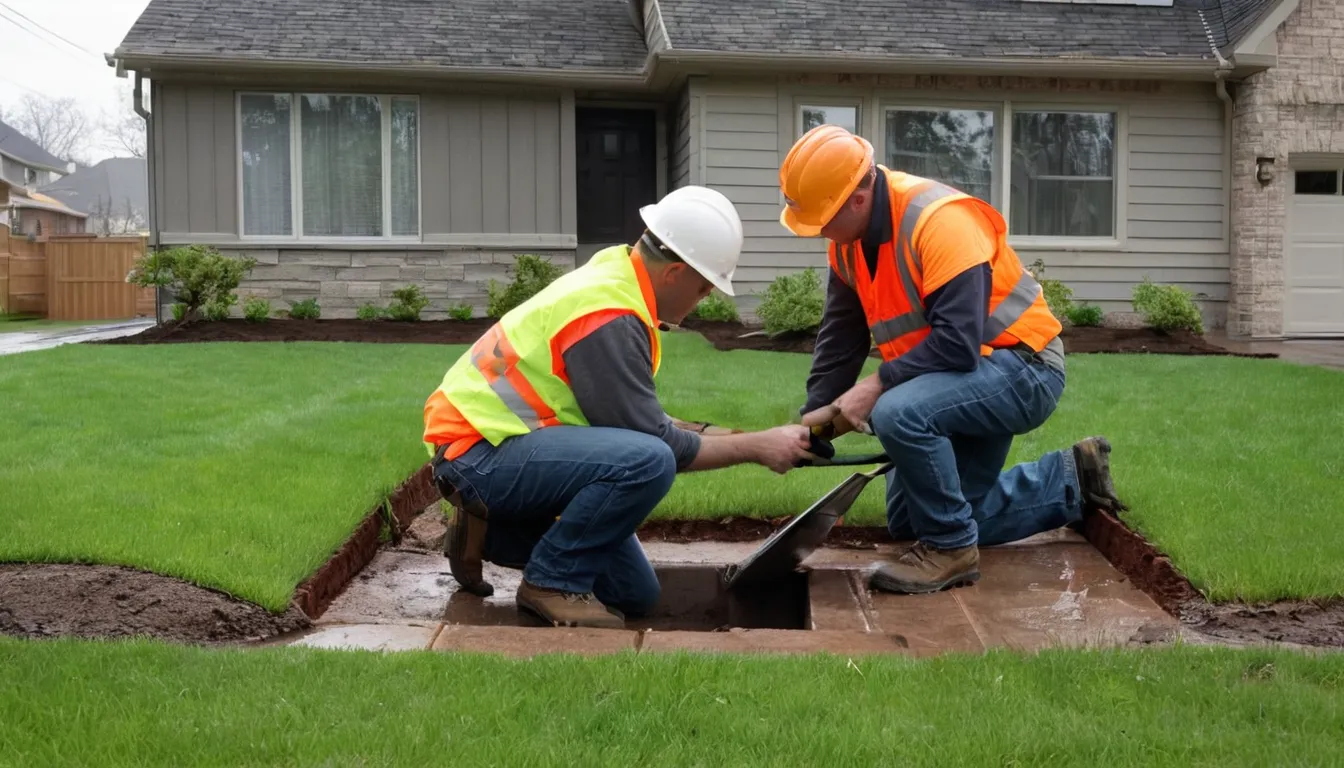 Sewer Line RepairA sewer line problem grows with time, so learn the signs early and compare written quotes before you commit.
 Septic System Repair ServicesA small septic problem grows with time, so a quick look and a written quote can keep the repair bill smaller.
Chasecontext Septic Is Proud To Serve the Atlanta area
Septic and Sewer Questions, Answered
- How often should I pump my septic tank?
- Many homes pump every three to five years. Tank size, household size and water use change that number. A provider can check sludge levels and suggest a schedule. Ask for the interval in writing, so you can plan the cost ahead.
- How much does septic tank pumping cost?
- Typical U.S. prices range from a few hundred dollars for a routine pump-out to more for large tanks, hard access or extra disposal fees. Costs vary by job. Request a written quote and ask what it includes before you agree.
- What are the signs of a failing drainfield?
- Watch for slow drains, gurgling pipes, odors, soggy or unusually green ground and sewage backing up. These signs often build over days. Early inspection may keep the work limited to repair rather than full replacement.
- Does Chasecontext Septic do the repairs itself?
- No. Chasecontext Septic is a referral service. We connect you with independent local providers in our network. The provider does the work, sets the price and gives you the written quote.
- Will insurance pay for a sewer backup or septic repair?
- It depends on your policy. Some policies may cover sudden damage, while wear, neglect or slow failure is often excluded. Check your policy and ask your agent. Providers can often help document damage for a claim, so keep photos and receipts.
Request a callback
Tell us what is going on and request an estimate. Independent providers in our network can review the details, and there is no obligation to hire anyone.
No obligation