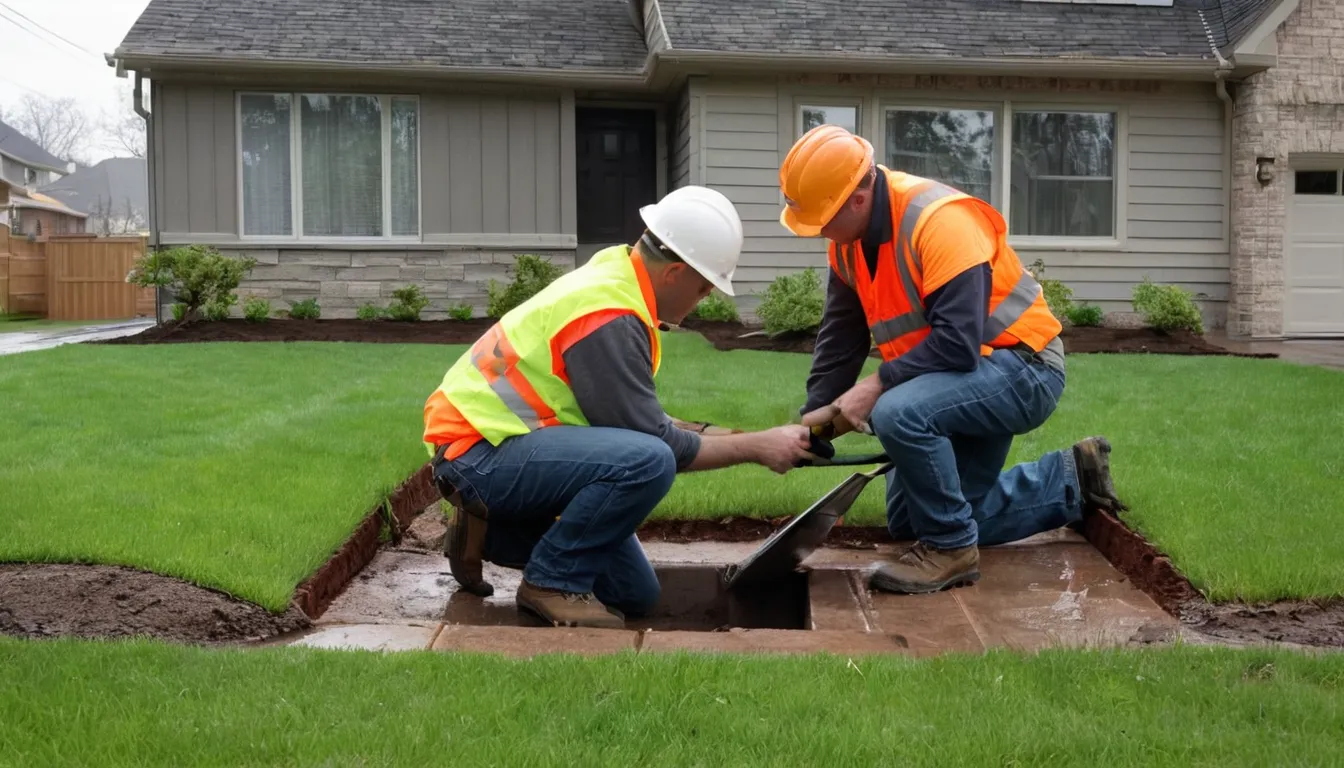
Sewer Line Repair for Homeowners in Atlanta
Request an estimate and compare quotes
A broken or blocked sewer line carries waste away from your home. When it fails, sewage can back up into drains, soak yards, and damage floors. The first hours are about limiting water use. The next days are about finding the cause. Timing drives price, because a small crack costs less to fix than a collapsed pipe.
Chasecontext Septic is a referral service. We do not do the work. We connect homeowners in Atlanta and the Atlanta area with independent providers in our network who inspect lines, repair them, and explain the options. You can request an estimate with no obligation, compare written quotes, and ask what drives each price. Quote first, decide second.
Sewage Backing Up? Start Here
Stop running water. That means no flushing, showers, laundry, or dishwasher. Every gallon you send down has nowhere to go but back into the house.
The First Hour
Keep kids and pets away from wet floors. Open a window if the smell is strong. Do not touch outlets or cords near standing sewage. Then reach out to a local provider to ask about availability.
The First Day
Sewage soaks into carpet, drywall, and subfloor fast. A provider can run a camera through the line to find the blockage or break. Cleaning up early keeps the damage smaller and the bill smaller.
The First Week
Odors linger, mold can start on damp materials, and a partial blockage often turns into a full one. Roots keep growing, and cracked pipe keeps leaking into the soil. Timing drives price.
Signs of a Sewer Line Problem
Not every problem is a flood in the basement. Many start quietly. Watch for these:
- Slow drains in more than one fixture
- Gurgling sounds when you flush or drain a tub
- A sewage smell near the yard or foundation
- Unusually green, soggy patches over the line
- A dip or small sinkhole in the lawn
- Rodents or insects showing up from drains
One slow sink is usually a local clog. Several slow fixtures at once point to the main line.
Sewer Line or Septic Tank?
If your home uses a septic system, a pipe still runs from the house to the tank. A full tank can mimic a line failure, and septic tank pumping may be the answer. If sewage has already spilled, emergency septic cleaning may be needed. Drainfield repair is a different job. A provider can tell you which one you have.
What Damages Sewer Lines
Tree Roots
Roots seek water. They slip into tiny joints and grow into thick mats that catch waste. Over time they can crack the pipe.
Age and Pipe Material
Older mill-era neighborhoods often have clay, cast iron, or fiber pipe. These wear out, rust, or collapse. Newer subdivisions with plastic pipe still have problems when joints shift.
Storms and Shifting Soil
Heavy thunderstorms, ice storms, and tropical remnants can saturate the ground. Soggy soil moves, and moving soil bends or breaks pipe. Heat and dry spells shrink clay soil too.
How Sewer Line Repair Works
Camera Inspection
The provider feeds a small camera into the line. This shows the exact spot and cause. Ask to see the video, since it backs up the quote.
Cleaning the Line
If the problem is roots or grease, cleaning with a cable or water jet may clear it. This is often the lower-cost step, but it may not fix a cracked pipe.
Spot Repair, Lining, or Replacement
A short break may need only a section dug up and replaced. Lining places a new pipe surface inside the old one with little digging. A badly collapsed line may need full replacement.
What Drives the Price
Depth, length, and access matter most. A pipe under a slab, driveway, or mature tree costs more than one in open lawn. The method matters too. Digging, lining, and replacement carry different price tags. Permit fees and cleanup add to the total.
Request a callback to check provider availability, then compare at least two written quotes. Look at scope, materials, and what is left out, not just the total.
Permits and Property Lines
Many areas require a permit for sewer work, and an inspection may follow. Ask who pulls the permit. Also ask where your responsibility ends. In many places the homeowner owns the pipe up to the main, but rules differ, so check with your local utility.
Restoring Your Yard
Digging leaves marks. Ask whether the quote covers backfill, grass seed, and hauling away soil. Trenchless methods disturb less ground, but they are not right for every pipe. Settling can happen for weeks, so ask how the provider handles it. If a water well sits near the work area, ask whether the provider can protect it. A water well service company may need to check it afterward.
Fix It, Then Keep It
The repair is not the finish line. Keep grease out of drains. Skip flushable wipes. Know where your cleanout is. Keep large tree roots in check, and avoid planting thirsty trees over the line. Consider a camera check every few years, especially in an older home.
Questions to Ask the Provider
- What did the camera show, and can I see it?
- Is this a repair, lining, or replacement, and why?
- What is in the written quote, and what could change it?
- Who handles permits and inspections?
- How will the yard be restored?
- What does the work come with in writing?
Ask the same questions of every provider. Fair quotes are easy to compare.
What's Included
Camera Line Inspection
A small camera shows the break, blockage, or root growth so the quote matches the real problem.
Line Cleaning
Cables or water jets can clear roots and grease buildup from the pipe.
Spot Repair Work
A damaged section can be dug up and replaced without redoing the whole line.
Lining or Replacement
Badly worn pipe may be lined from inside or replaced, depending on its shape and location.
Typical Sewer Line Repair Cost Ranges
These are typical U.S. ranges, not quotes. Depth, pipe length, access, and local rules change the total, so always get a written quote before work starts.
| Item | Typical range | Notes |
|---|---|---|
| Camera inspection | $100 – $500 | Often worth doing before any repair decision |
| Line cleaning or jetting | $150 – $800 | Clears roots and grease; may not fix cracks |
| Cleanout installation | $500 – $2,500 | Makes future access and upkeep easier |
| Spot repair | $1,500 – $5,000 | Depends on depth and what is above the pipe |
| Trenchless lining | $3,000 – $10,000 | Less digging; not right for every pipe |
| Full line replacement | $3,000 – $12,000+ | Longer runs, slabs, and driveways raise the price |
How It Works
Limit Water Use
Stop flushing and running water so sewage does not keep backing up into your home.
Request an Estimate
Tell us about the symptoms and a local provider in our network will follow up.
Review the Written Quote
Check the scope, materials, permits, and yard restoration before saying yes.
Plan Your Upkeep
Ask for care tips and a check schedule so the problem stays away.
Why Call Chasecontext Septic
Timing Drives Price
Small leaks and partial clogs cost less to fix than collapsed pipe and damaged floors.
Compare Written Quotes
Independent providers price jobs differently, so side-by-side quotes help you see the real trade-offs.
No Obligation
Request an estimate, read it, ask questions, and decide on your own schedule.
Local Providers
Providers in our network know area soil, older pipe, and storm-season problems.
Other Services

Need sewer line repair in Atlanta?
Tell us what is going on and request an estimate. Independent providers in our network can review the details, and there is no obligation to hire anyone.
No obligationSewer Line Repair FAQ
- How do I know if my sewer line is broken?
- Look for slow drains in several fixtures, gurgling, sewage smells outside, or soggy patches in the yard. A provider can confirm the cause with a camera inspection and show you the video.
- How much does sewer line repair cost?
- Typical U.S. costs run from a few hundred dollars for cleaning to several thousand for replacement. Depth, length, and access change the price, so request a written quote first.
- Can I keep using my plumbing with a sewer backup?
- It is smarter to limit water use. Extra water can push more sewage into the house. Request a callback to check provider availability, or request an estimate through the form.
Request a callback
Tell us what is going on and request an estimate. Independent providers in our network can review the details, and there is no obligation to hire anyone.
No obligation